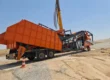
Mobile concrete batching plants have revolutionized the construction industry by offering flexible, efficient, and cost-effective solutions for concrete production. Unlike stationary batching plants, mobile units can be easily transported to different job sites, providing on-site concrete mixing that meets the specific needs of each project. Below, we will explore the key advantages of mobile concrete batching plants and how they can benefit construction businesses of all sizes.
Flexibility and Portability
One of the most significant advantages of mobile concrete batching plants is their mobility. These plants are designed to be easily transported from one location to another, making them ideal for contractors working on multiple or remote construction sites. Since the entire unit can be moved with a truck, companies save both time and money that would otherwise be spent transporting ready-mix concrete from off-site locations.
In addition, the quick setup and dismantling of mobile batching plants allow for minimal downtime between projects. This mobility ensures that concrete can be produced on demand, improving overall project timelines and reducing delays caused by transportation issues or weather conditions.
Cost-Effectiveness and Efficiency
Another major benefit of mobile batching plants is their cost-effectiveness. By producing concrete directly at the construction site, companies can eliminate delivery charges and reduce material wastage. This onsite production also helps maintain consistent quality by allowing greater control over mix proportions and curing conditions.
Furthermore, mobile concrete batching plants often come equipped with automated systems that reduce the need for manual labor and human error. This automation leads to more efficient operations, faster mixing times, and a higher output rate, especially for small to medium-scale projects.
Additional Benefits
Mobile concrete batching plants are also highly versatile in terms of design and capacity. Many models can be customized to meet specific project requirements, including varying batch sizes, mixer types, and storage capacities. This adaptability ensures that contractors can meet client demands without investing in multiple machines.
Moreover, since mobile plants operate with lower initial investment costs compared to stationary units, they are a smart choice for businesses looking to maximize their return on investment.
In conclusion, the advantages of mobile concrete batching plants are clear. From increased flexibility and efficiency to cost savings and better quality control, these systems provide a reliable and scalable solution for modern construction challenges. As the demand for faster, more adaptable building methods continues to grow, mobile batching plants are becoming an essential tool for competitive construction companies worldwide.